
Daily Crypto Surf Report — September 22, 2026
BTC -0.3% to $86,308. OB surf 3–4 ft. Daily crypto + surf snapshot for Sep 22, 2026.
 ₿
619-268-1889
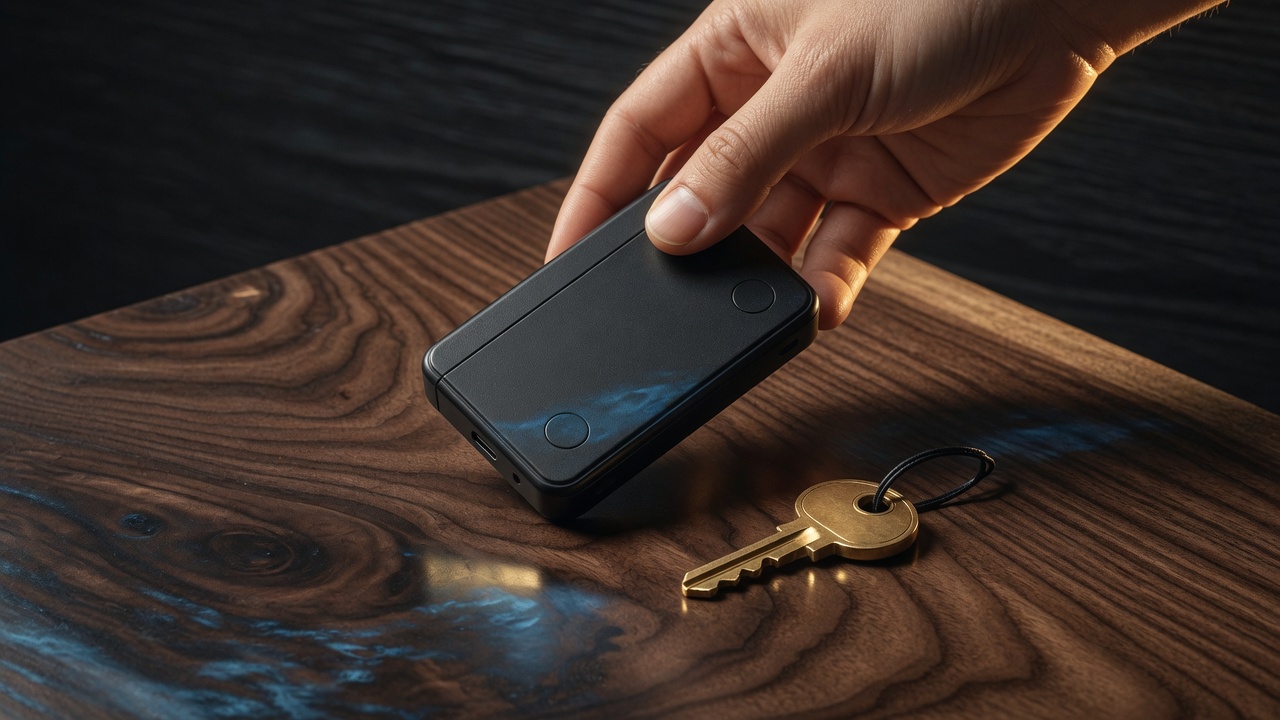
Self-custody is the moment ownership stops being a promise and starts being a fact. An exchange balance is an IOU — a number in someone else’s database, subject to their solvency, their policies, and their outages. A key in your own hand is the asset itself.
A hardware wallet holds your private key offline and signs transactions without ever exposing it. Nothing to freeze, no permission to request, no counterparty to trust.
Buy through a regulated on-ramp like Kraken if you like — but the moment that matters is the withdrawal to a key you control.
Once you have asked “who holds the keys?” about your money, it is hard not to ask it about your intelligence stack. A closed AI provider holds your context, sets your limits, and can revoke access on a policy change. That is custody by another name.
OceanCrypto’s SSHL practice — the Secure Shell Ledger — applies the hardware-wallet answer to AI: frontier-quality open models, zero data retention, a verifiable ledger of what ran where, and distributed compute instead of a single operator. Your prompts and your work stay yours.
Cold storage for your coins. A Secure Shell Ledger for your models. Same instinct, same reason.
More: how SSHL brings sovereignty to AI · the Builder Program.
BTC -0.3% to $86,308. OB surf 3–4 ft. Daily crypto + surf snapshot for Sep 22, 2026.
BTC +4.7% to $85,018. OB surf 3–4 ft. Daily crypto + surf snapshot for Sep 21, 2026.
BTC -0.9% to $80,477. OB surf 3–4 ft. Daily crypto + surf snapshot for Sep 20, 2026.