
Daily Crypto Surf Report — September 22, 2026
BTC -0.3% to $86,308. OB surf 3–4 ft. Daily crypto + surf snapshot for Sep 22, 2026.
 ₿
619-268-1889
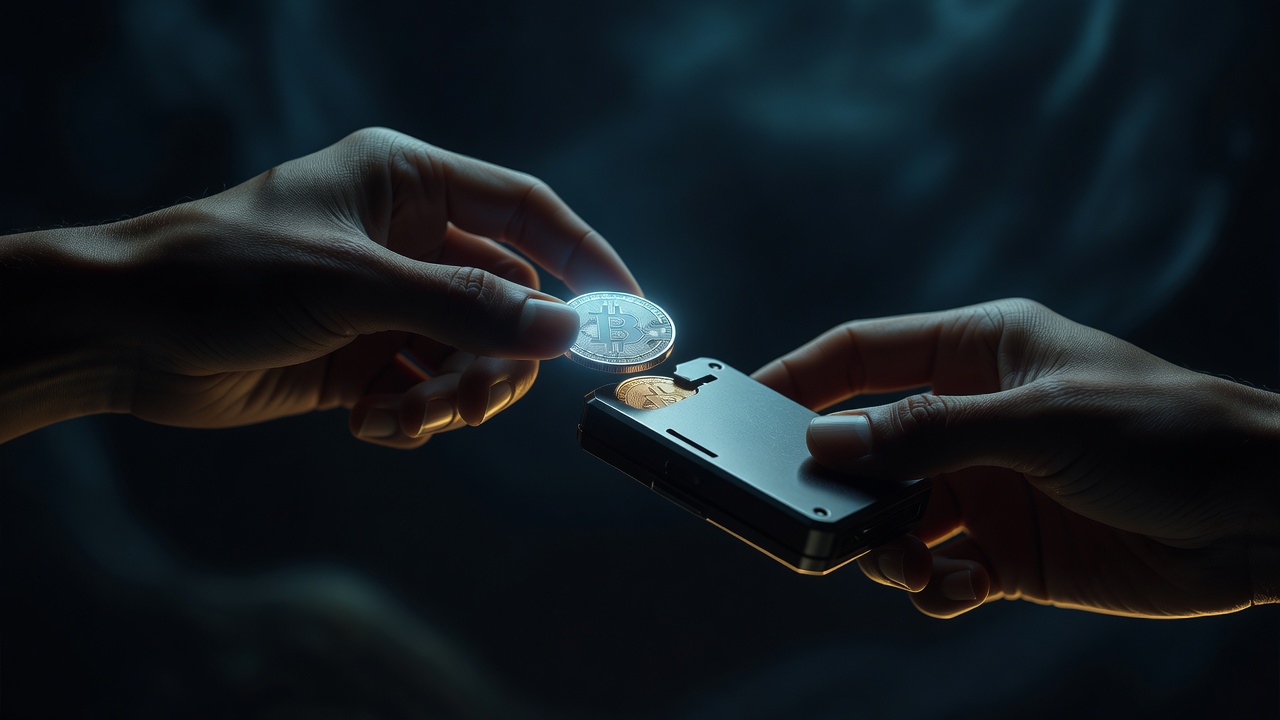
Buying on an exchange is easy. Getting your holdings off the exchange, into a wallet only you control, is the part that actually matters — and it is the part most people put off until the day they suddenly need it. That is the wrong day to be learning a new interface.
Treat the withdrawal as a ritual you practice on a calm day, not an emergency procedure you improvise on a chaotic one.
Holding crypto on an exchange means the exchange holds the keys. You have a claim on a balance, backed by that platform’s solvency, security practices, and continued willingness to let you withdraw. Self-custody means the keys — and the coins — are actually yours, with no intermediary standing between you and your assets. The gap between those two states is closed by one action: a withdrawal, done correctly.
The holders who move smoothly during a stressful moment are the ones who already know their wallet’s quirks, already have their seed phrase backed up, and already know roughly how long a withdrawal takes to confirm. None of that is learned under pressure. It is learned by doing the ritual when nothing is wrong.
None of these are exotic failure modes. They are the ordinary, avoidable mistakes that show up whenever someone treats a withdrawal as a one-time event instead of a skill worth maintaining.
If you are still holding your primary balance on an exchange, Kraken is a reasonable starting point for buying and a fine place to practice your first small withdrawal before you move meaningful size.
Not financial advice.
Want to practice the full withdrawal-to-cold-storage flow with someone watching for mistakes? Book a Builder Session and we will run it together.
BTC -0.3% to $86,308. OB surf 3–4 ft. Daily crypto + surf snapshot for Sep 22, 2026.
BTC +4.7% to $85,018. OB surf 3–4 ft. Daily crypto + surf snapshot for Sep 21, 2026.
BTC -0.9% to $80,477. OB surf 3–4 ft. Daily crypto + surf snapshot for Sep 20, 2026.