
Daily Crypto Surf Report — September 22, 2026
BTC -0.3% to $86,308. OB surf 3–4 ft. Daily crypto + surf snapshot for Sep 22, 2026.
 ₿
619-268-1889
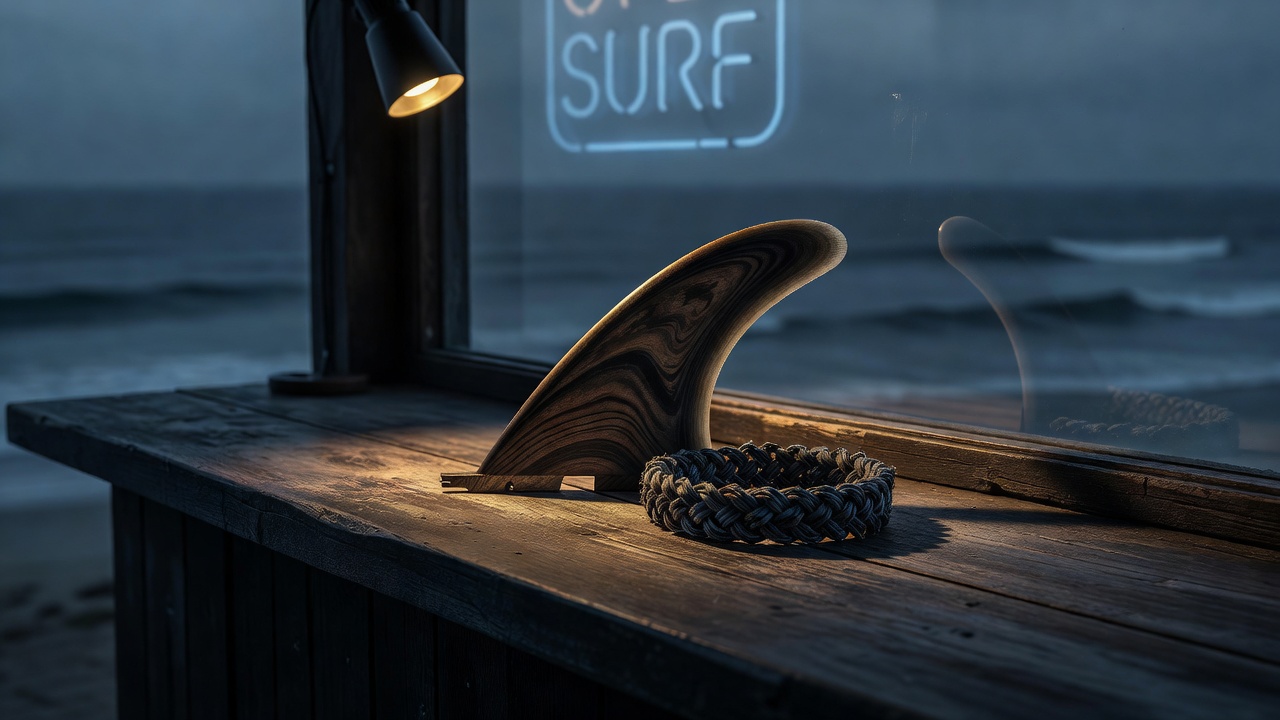
A product idea and a live listing on /shop are separated by more steps than most people expect, and fewer sessions than most people fear.
The first Builder Session on a shop listing almost never touches the product itself. It goes to the boring, necessary questions a listing actually needs answered: what’s the real price, what variants exist (a surfboard’s Clear Glass, Colour Resin, and Custom Print options are the kind of thing that has to be decided before a page can be built, not after), what photos exist or need to be taken, and what the honest one-line description is. Skipping this step is the single most common reason a listing sits half-finished for weeks — the page gets started before the actual product decisions get made.
The listing gets built and pushed to a staging version of the shop first. This isn’t extra caution for its own sake — it’s the same staging-first habit that runs through every Builder Session, and a shop listing is exactly the kind of thing where a mistake (a wrong price, a broken checkout link) is expensive if it happens live and free if it happens in staging. The staged listing gets clicked through end to end: does the price show right, does the variant selector work, does checkout actually complete.
Before anything goes live, the staged listing gets reviewed against the rest of the shop — does it look like it belongs next to the Gallery Experience, the art, the Custom Surfboards and the OB Peace pieces already there, or does it feel bolted on. Consistency isn’t decoration; a shop where every listing looks like it was built by a different process reads as untrustworthy, even if every individual page works fine.
Promotion to the live shop is a separate, explicit step — never a side effect of a session running long or a build “basically working.” It’s a deliberate choice made once the staged version has been verified, not a default that happens because the clock ran out mid-session.
A straightforward physical product with a fixed price and no variants can often clear all three stages inside a single 60-minute session. Something with the complexity of a made-to-order piece — multiple variants, custom photography, a price that depends on choices the buyer makes — usually needs two or three sessions spread across a week, which is exactly what the baseline build credit is for: not rushing a listing into existence, but drawing it down a step at a time until it’s actually ready.
Got something worth putting in front of the Bacon Street community? Book a Builder Session and start with the listing.
BTC -0.3% to $86,308. OB surf 3–4 ft. Daily crypto + surf snapshot for Sep 22, 2026.
BTC +4.7% to $85,018. OB surf 3–4 ft. Daily crypto + surf snapshot for Sep 21, 2026.
BTC -0.9% to $80,477. OB surf 3–4 ft. Daily crypto + surf snapshot for Sep 20, 2026.